
Social Media Marketing (SMM)
In today’s digital era, social media has become more than just a place to connect with friends. It is now one of the most powerful platforms for businesses to build brand awareness, generate leads, and improve customer engagement. Social Media Marketing (SMM) is the process of using platforms like Facebook, Instagram, LinkedIn, YouTube, and Twitter to promote products, services, and content to the right audience. But for businesses to achieve the best results, social media must work hand-in-hand with Search Engine Optimization (SEO).

What is Social Media Marketing?
Social Media Marketing involves creating and sharing valuable content across social networks to achieve marketing and branding goals. This may include posting text updates, videos, images, stories, and advertisements that engage your target audience. Unlike traditional marketing, social media offers two-way communication, giving customers the opportunity to interact directly with brands.

Some of the most popular activities in SMM include
Running targeted ad campaigns
Sharing regular posts and updates
Engaging with followers through comments, likes, and messages
Collaborating with influencers
Driving traffic to websites and landing pages
When done effectively, social media marketing builds trust, improves visibility, and encourages customer loyalty.
Advantages of Social Media Marketing
Wider Reach: Social media helps your content reach millions of potential customers across different demographics.
Improved Engagement: Brands can interact directly with their audience, creating meaningful relationships.
Increased Website Traffic: By sharing blogs, promotions, and updates, you can drive targeted traffic to your website.
Better SEO Results: Social signals like shares and comments support your SEO strategy by boosting visibility.
Cost-Effective Marketing: Compared to traditional advertising, social media campaigns can be launched with a smaller budget while still reaching large audiences.
Challenges of Social Media Marketing
Like SEO, SMM also comes with challenges:
Content needs to be fresh and consistent.
Algorithm changes can reduce organic reach.
Managing multiple platforms requires time and expertise.
Negative comments or reviews can impact brand image.
Businesses must be prepared with the right strategy to overcome these challenges and maximize results.
Benefits of Social Media Marketing
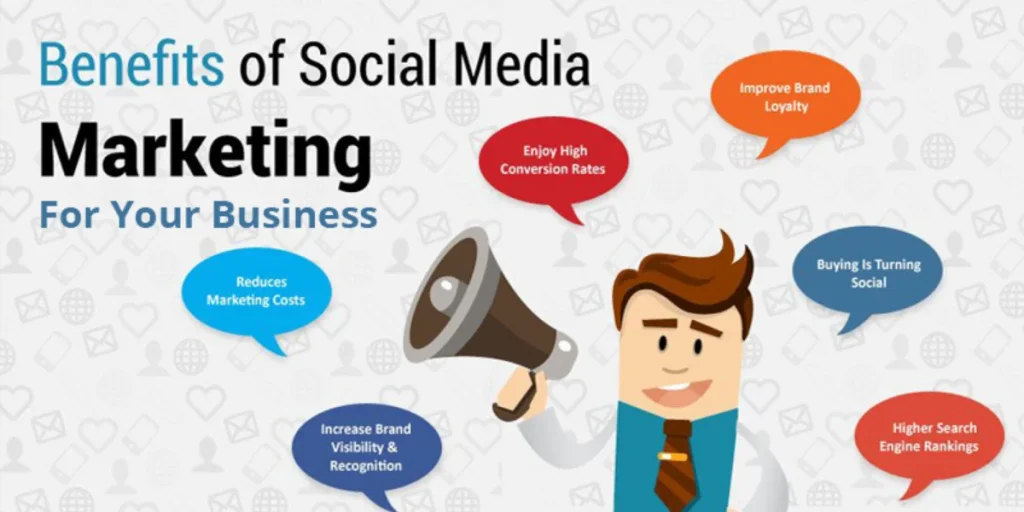
Massive Audience Reach – Platforms like Facebook and Instagram have billions of active users, giving brands unparalleled access to global markets.
Better Customer Engagement – Direct communication through messages, polls, and comments strengthens customer relationships.
Cost-Effective Advertising – Compared to traditional TV, print, or billboard ads, social media ads are more affordable and highly targeted.
Lead Generation & Conversions – Paid campaigns, contests, and promotions encourage users to take action, leading to more sales.
Supports SEO – Regular posting and engagement enhance your website traffic and search engine performance.
Data & Analytics – Social media provides detailed insights into customer behavior, helping businesses refine their strategies.
Why Businesses Must Invest in Social Media Marketing
In today’s digital-first world, a strong online presence is no longer optional for businesses—it is a necessity. While Search Engine Optimization (SEO) helps brands rank higher on Google, social media marketing amplifies visibility, engagement, and credibility. When combined, these two powerful strategies create a sustainable growth engine that drives organic traffic, builds authority, and fosters customer loyalty. Let’s explore why businesses must invest in social media marketing as part of their SEO efforts.
1. Social Media Boosts Content Visibility
SEO primarily focuses on optimizing website content for search engines, but that content needs an audience to create impact. Social media platforms like Facebook, Instagram, LinkedIn, and X (Twitter) act as distribution channels where your blogs, videos, and updates can reach a wider audience. The more people engage with and share your content, the more signals it sends to search engines about your credibility and relevance, indirectly boosting SEO performance.
2. Social Signals Influence Search Rankings
While Google has stated that social signals (likes, shares, comments) are not a direct ranking factor, they contribute indirectly to SEO. Content that performs well on social media attracts more backlinks, brand mentions, and website visits—all of which are crucial ranking signals. A business that is active on social media is more likely to generate organic links, improving its domain authority and search ranking.
3. Increases Brand Awareness and Authority
Social media is where customers discover and interact with brands before visiting their websites. A consistent presence across social channels builds trust, brand recognition, and authority. When customers search for your brand name on Google, your social profiles often appear alongside your website. This strengthens credibility and increases the chances of people clicking on your website.
4. Drives Quality Traffic to Your Website
SEO helps you capture users who are searching with intent, but social media brings in users who may not be actively searching for your services yet are open to discovering them. When social content is engaging and aligned with customer interests, it encourages clicks to your website. This not only drives traffic but also reduces dependency on search engines alone for visibility.