
Pay Per Click (PPC) Marketing
In today’s fast-paced digital world, businesses are constantly looking for effective ways to reach their target audience and drive measurable results. One of the most popular and result-oriented methods is Pay Per Click (PPC) marketing. PPC is a form of digital advertising where advertisers pay a fee each time their ad is clicked. Unlike traditional marketing, where you pay for visibility regardless of the outcome, PPC ensures you pay only when a potential customer actually engages with your ad.
Platforms like Google Ads, Bing Ads, and social media platforms such as Facebook, Instagram, and LinkedIn have made PPC marketing one of the most powerful tools for businesses of all sizes. Whether you are a startup or an established brand, PPC can provide instant visibility, targeted traffic, and higher conversions.
.
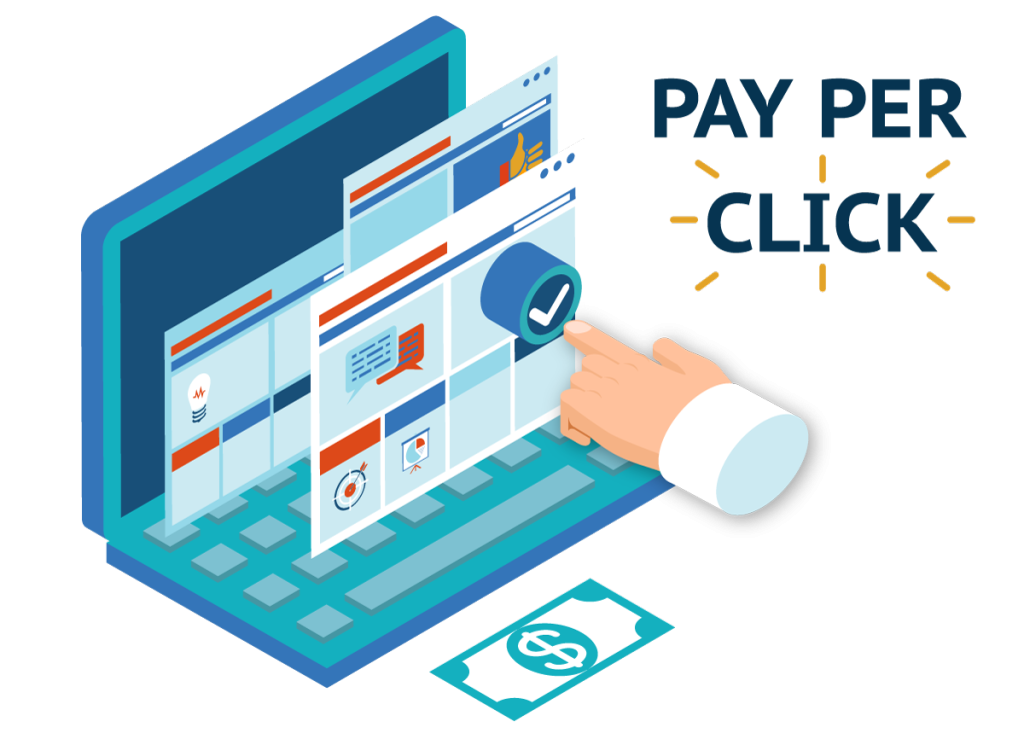
Why PPC Marketing is Importan In today’s competitive online marketplace, organic reach alone is not enough. PPC ensures that your brand stays visible at the top of search results or social feeds, even in a crowded market. It helps businesses: Generate qualified leads quickly. Gain brand exposure in front of the right audience. Complement long-term SEO strategies with short-term instant results. Stay ahead of competitors who may already be leveraging paid advertising. PPC is especially important for new businesses or product launches, as it provides immediate exposure while building organic growth strategies
Key Points to Remember about PPC
When considering Pay Per Click (PPC) marketing as part of your digital strategy, there are several important points to keep in mind. These factors will help you understand how PPC works, its potential, and the best practices to achieve maximum results.
1. You Pay Only for Results
The biggest advantage of PPC is that you pay only when someone clicks on your ad. This makes it a performance-based marketing model. Unlike traditional advertising, where you pay for exposure without guaranteed engagement, PPC ensures that every rupee or dollar spent has a chance of converting into a lead or sale.
2. Immediate Visibility in Search Results
PPC campaigns provide instant results. As soon as your campaign goes live, your ads can appear at the top of Google search results or on social media platforms. This makes PPC an excellent strategy for businesses that need quick exposure, product launches, or seasonal promotions.
3. Highly Targeted Audience Reach
One of the strongest points of PPC marketing is its ability to target specific audiences. You can set filters such as location, age, gender, interests, device type, and even browsing behavior. With keyword targeting in platforms like Google Ads, your ads appear only when users actively search for products or services similar to yours, ensuring high-quality leads.
4. Flexibility and Budget Control
PPC is suitable for businesses of all sizes because it allows complete control over your budget. You can start with a small amount, monitor performance, and scale up once you see positive results. Additionally, you can pause, stop, or adjust campaigns anytime depending on performance and goals.
5. Measurable and Trackable Results
Every action in PPC is measurable. You can track impressions, clicks, cost-per-click (CPC), and conversions in real time. This data-driven approach allows businesses to evaluate ROI, identify what’s working, and refine campaigns for better efficiency.
6. Requires Ongoing Optimization
While PPC can deliver quick results, it is not a “set it and forget it” strategy. Campaigns need regular monitoring, keyword research, ad copy testing, and bid adjustments. Without proper optimization, costs can increase, and results may decline over time.
7. Temporary but Powerful Results
PPC traffic stops the moment you pause or end the campaign. Unlike SEO, which builds long-term organic visibility, PPC provides short-term but powerful results. This makes it ideal for instant lead generation, but it should be combined with SEO for a balanced digital strategy.
8. Best When Combined with Other Strategies
PPC is most effective when used alongside SEO, social media marketing, and content marketing. While PPC gives you immediate results, SEO builds long-term authority and trust. Together, they create a strong online presence that covers both instant and future growth.
.
Process of PPC Marketing
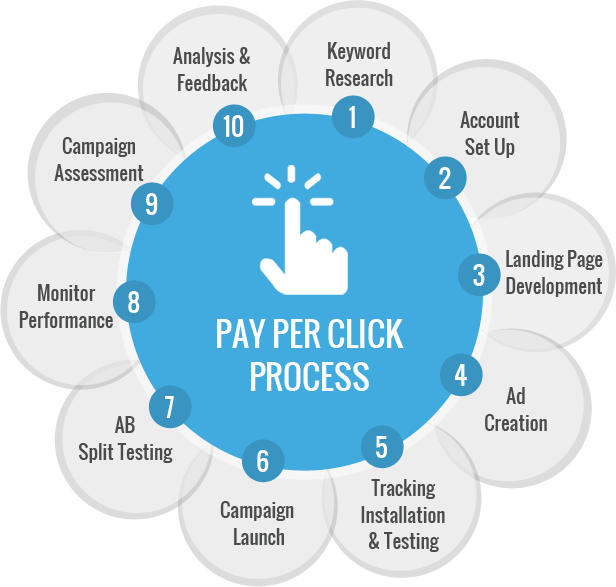
Running a successful Pay Per Click (PPC) campaign involves several steps that ensure your ads reach the right audience and deliver maximum results. Below is a breakdown of the PPC process:
.
* Keyword Research
PPC campaigns rely heavily on the right keywords. Businesses need to research and select keywords that potential customers are using to search for products or services. Tools like Google Keyword Planner help identify high-performing and cost-effective keywords.
* Account Setup
Setting up a PPC account is the first and most important step toward running a successful paid advertising campaign. A well-structured account ensures better ad performance, higher quality scores, and maximum return on investment.
* Landing Page Optimization
When users click on your ad, they are directed to a landing page. This page must be relevant to the ad, easy to navigate, and designed to encourage conversions (such as filling out a form, making a purchase, or contacting your business).
* Ad Creation
Compelling ad copy is essential for attracting clicks. Ads should include a strong headline, a clear description, and a call-to-action (CTA). Along with text ads, PPC campaigns may also use display ads, video ads, or shopping ads depending on the platform
* Tracking Installations and Testing in PPC
Setting up proper tracking is one of the most important steps in Pay Per Click (PPC) marketing. Without tracking, you won’t know whether your campaigns are generating leads, sales, or a good return on investment.
* Campaign Launch
After setting up ads, keywords, and budgets, the campaign goes live. Your ads start appearing in search engine results or on partner websites and social media platforms.
* A/B Split Testing in PPC
A/B Split Testing is a method used in PPC campaigns to compare two or more variations of an ad, landing page, or targeting strategy to determine which performs better. Instead of guessing what works, A/B testing uses real data to optimize campaigns for higher click-through rates (CTR), conversions, and return on investment (ROI).
* Monitoring PPC Performance
Running a PPC campaign doesn’t end after launching your ads. To get the best results, you must continuously monitor performance and adjust strategies based on real-time data. Performance tracking ensures your budget is used efficiently, ads stay relevant, and campaigns deliver the highest possible return on investment (ROI).
* Campaign Assessment in PPC
A PPC campaign assessment is the process of analyzing and reviewing the results of your advertising campaigns to determine their effectiveness. The goal is to measure success against the set objectives, identify strengths and weaknesses, and plan improvements for future campaigns.
* Analysis and Feedback in PPC
After a PPC campaign is launched and data is collected, the next crucial step is analysis and feedback. This process involves carefully examining campaign results, identifying what worked and what didn’t, and using those insights to optimize future campaigns. Without proper analysis and feedback, businesses risk repeating mistakes and wasting ad spend.
.