]
Search Engine Optimization (SEO)
In today’s digital-first world, Search Engine Optimization (SEO) is one of the most powerful strategies to grow your online presence, attract customers, and build trust. Whether you own a business, run an e-commerce store, or manage a personal blog, SEO helps your website appear in front of the right audience at the right time. Instead of relying only on paid ads, SEO focuses on earning traffic organically by optimizing your website for search engines like Google, Bing, and Yahoo.
What is SEO?
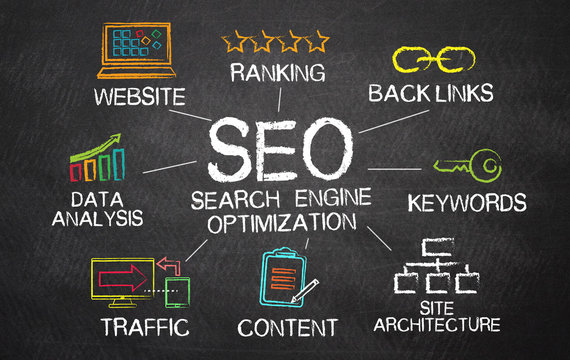
SEO is the practice of improving your website so that it ranks higher in search engine results pages (SERPs). When people search for products, services, or information online, they usually click on the first few results. If your website appears there, it increases the chances of getting more visitors, leads, and sales. SEO combines technical improvements, quality content, and smart strategies to make sure your website stands out among competitors.
Advantages and Disadvantages of SEO
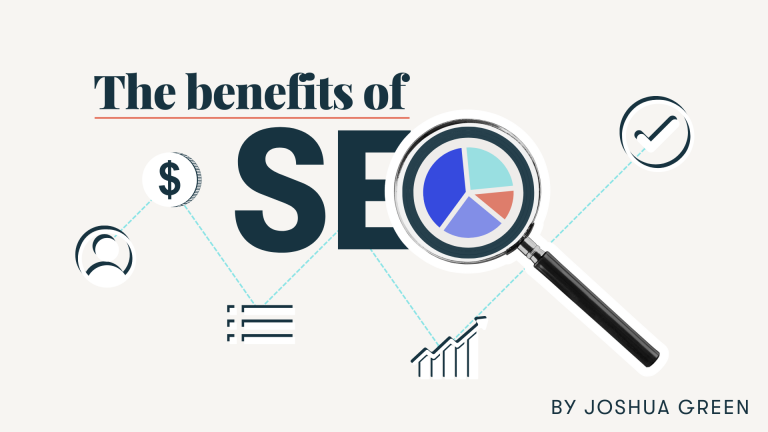
Advantages of SEO
Increases Website Traffic
SEO helps your website rank higher in search results, which drives more organic (free) traffic. People searching for products or services similar to yours are more likely to visit your site.Cost-Effective Marketing
Unlike paid ads, SEO focuses on organic results. Once your website ranks well, you continue to receive traffic without constantly paying for clicks.Long-Term Results
A well-optimized website can maintain rankings for months or even years with proper updates. This makes SEO a sustainable digital marketing strategy.Builds Credibility and Trust
Users trust websites that appear at the top of Google’s search results. Strong SEO signals to your audience that your brand is reliable and authoritative.Better User Experience
SEO involves improving website speed, mobile-friendliness, navigation, and content quality. These improvements benefit both search engines and visitors.Competitive Advantage
If your competitors are not focusing on SEO, you can take the lead. If they are, SEO helps you stay relevant and compete effectively.
Key Elements of SEO
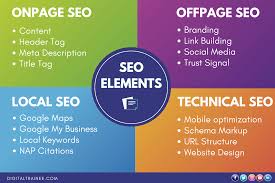
On-Page SEO:
This focuses on optimizing the content and structure of your website. It includes using relevant keywords, writing engaging content, creating catchy titles, and adding proper headings, meta descriptions, and internal links.
Off-Page SEO:
This refers to actions taken outside your website, such as link building, social media signals, guest posting, and brand mentions. Quality backlinks from trusted sites boost your authority.*
Technical SEO:
Technical improvements make your website easier for search engines to crawl and index. This includes site speed optimization, mobile responsiveness, secure HTTPS connection, and fixing broken links.*
Local SEO:
For businesses targeting local customers, local SEO helps your website appear in “near me” searches and Google Maps. Optimizing your Google Business Profile and collecting positive reviews are key here.
Important Points About SEO
Definition: SEO (Search Engine Optimization) is the process of improving a website to rank higher in search engine results.
Goal: The main aim is to increase visibility, attract more traffic, and generate leads/sales.
Types of SEO:
On-Page SEO (content, keywords, meta tags)
Off-Page SEO (backlinks, brand mentions)
Technical SEO (site speed, mobile-friendly, crawling & indexing)
Local SEO (Google Maps, local searches)
Keyword Research: Choosing the right keywords is the foundation of SEO success.
Content Quality: Search engines reward original, useful, and engaging content.
User Experience (UX): Site speed, mobile optimization, and easy navigation matter for rankings.
Backlinks: Links from trusted websites increase your site’s authority.
Meta Tags: Titles, descriptions, and headers should include relevant keywords.
Regular Updates: SEO requires consistent content updates and technical improvements.
Analytics & Tracking: Using tools like Google Analytics and Search Console helps measure performance.
Long-Term Strategy: SEO takes time to show results but provides sustainable growth.
Algorithm Updates: Google frequently changes its ranking rules, so strategies must adapt.
Local SEO Importance: Vital for businesses targeting nearby customers (“near me” searches).
Voice Search Optimization: Increasingly important due to smart devices and AI assistants.
Security: HTTPS (SSL certificates) is now a ranking factor for Google.
Why SEO is Important
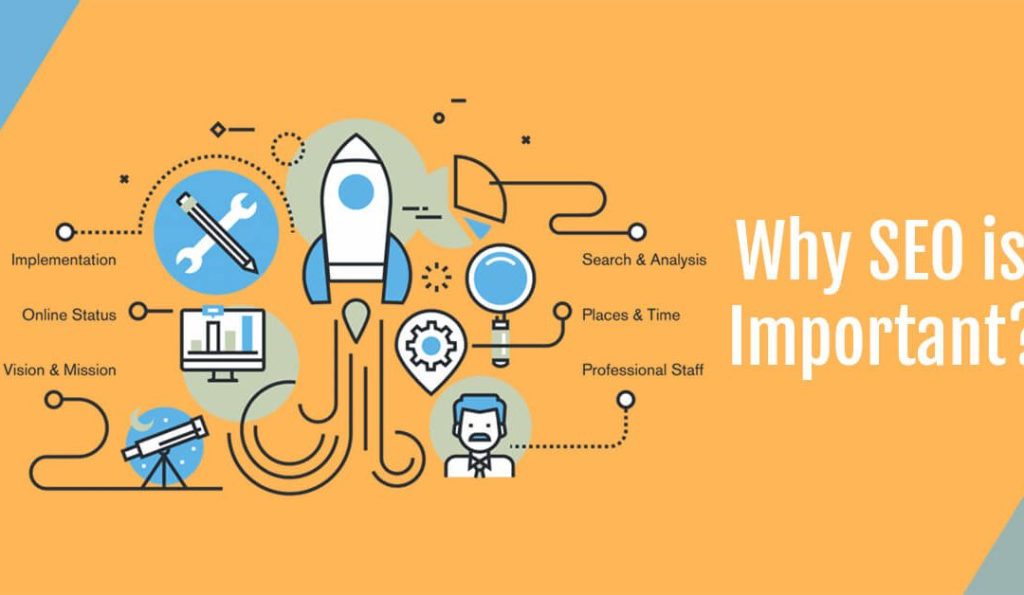
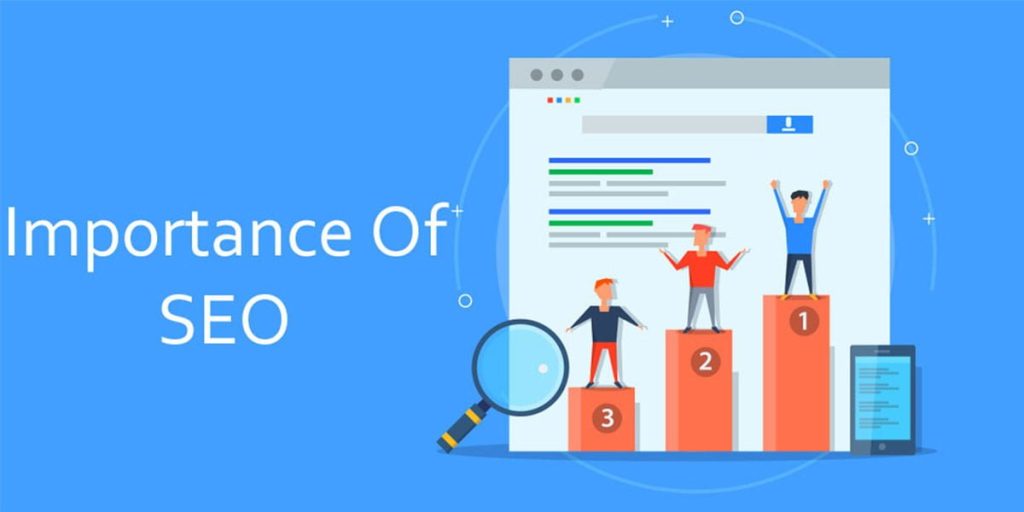
In today’s digital world, having a website is not enough — your customers need to find it. That’s where Search Engine Optimization (SEO) comes in. SEO helps your website appear on top of search engine results when people are looking for products, services, or information related to your business.
Key Reasons Why SEO is Important
Increases Online Visibility
Most people don’t go past the first page of Google. SEO ensures your website ranks higher so your target audience can easily find you.Drives Quality Traffic
Unlike random visitors, SEO attracts people who are already searching for what you offer. This means more qualified leads and potential customers.Cost-Effective Marketing
SEO brings long-term benefits without the ongoing cost of ads. Once your website ranks, you keep getting traffic without paying per click.Builds Trust and Credibility
Users trust websites that rank higher in search results. Good SEO signals to both Google and your audience that your site is reliable and valuable.Improves User Experience
SEO isn’t just about keywords — it also improves site speed, mobile-friendliness, and easy navigation, making your website more user-friendly.Competitive Advantage
If your competitors are ranking above you, they are getting more customers. SEO helps you compete and even outperform them.Supports Long-Term Growth
Unlike paid campaigns that stop when the budget ends, SEO builds a strong foundation for continuous traffic and long-term business growth.